
A Gentle Wero - Haraia’s Journey to Quitting Smoking
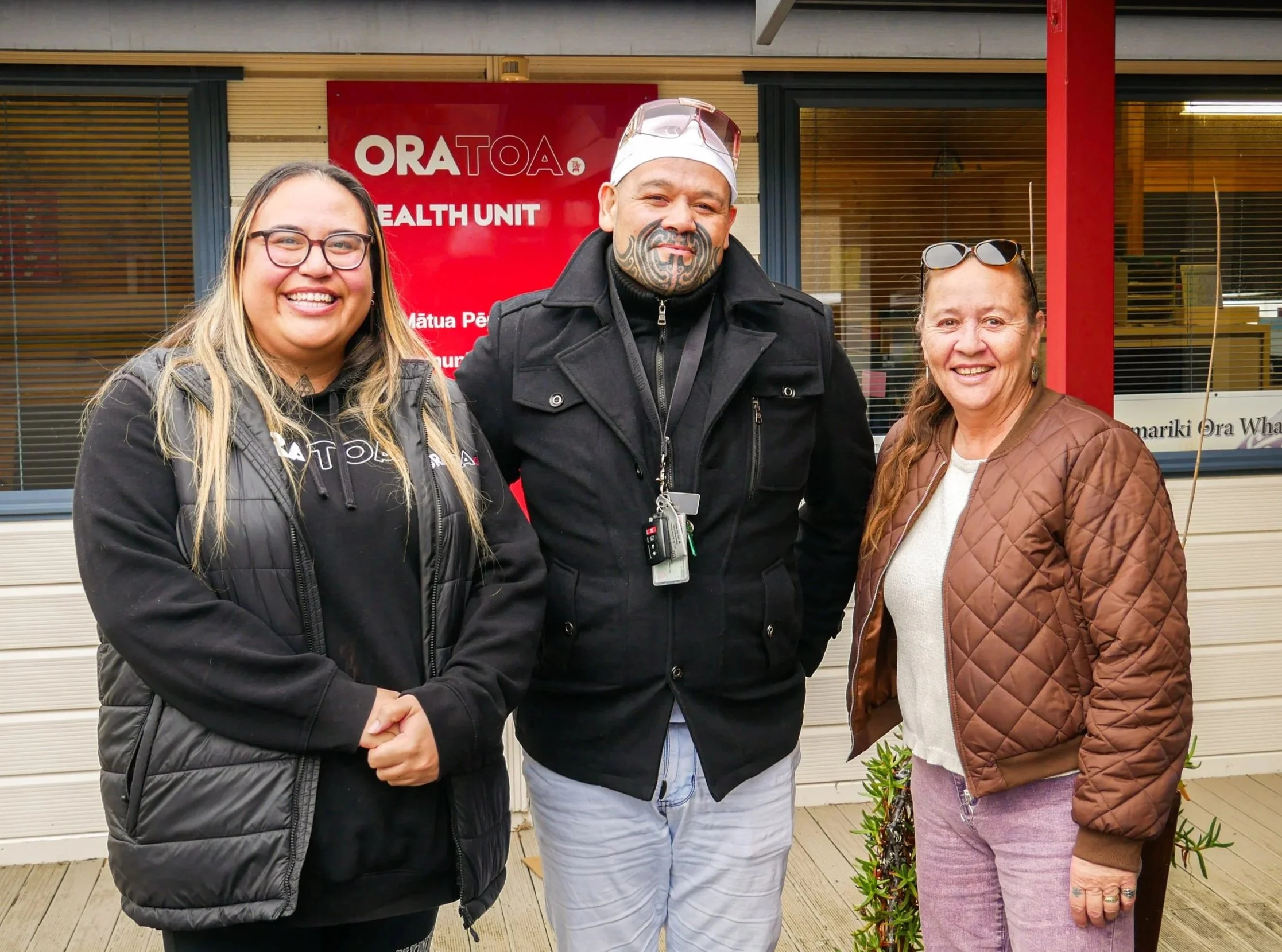
From Left to Right: Kaiārahi Tuaraki Peita, Haraia Bowen and Kaiārahi Puhiwahine Miller
For most of his life, smoking was part of Haraia Bowen’s rhythm. After dinner. With coffee. In moments of stress, boredom, quiet, or while socialising. For nearly 30 years, it filled the gaps and marked the day.
“It wasn’t just the nicotine,” he reflects. “It was habit – something my mind kept going back to.”
Across Aotearoa, fewer people are smoking today than ever before, with daily smoking rates down to around 6.8% of adults. But for those who do smoke, the journey to quitting is rarely simple and never a one-size-fits-all solution.
For Haraia, the decision didn’t come from fear of some disease that could take hold of his cells and body tissue he couldn’t see.
“The fear of illness or cancer wasn’t the reason,” he says. “It was something else.”
That “something else” began with a simple, unexpected phone call. Not long after moving to Porirua, and while grieving the loss of his father, Haraia was contacted by a Health Improvement Practitioner (HIP) at Ora Toa. There was no pressure, just an open invitation to come in and talk.
“She didn’t tell me to give up. She didn’t push it. She just asked what I wanted,” he says.
At the time, quitting smoking wasn’t even on his radar. The conversation stayed with him however, and the gentleness of it created space to reflect. The interaction planted a seed that would grow into the most health-beneficial decision he’s ever made.
Months later, in early January, things shifted. Haraia found himself doing the maths - cigarettes were costing close to $100 a week! In Aotearoa, tobacco is among the most expensive in the world, with packets often costing upwards of $30–$50. At the same time, Haraia was raising two nieces.
“How do you answer to that?” he recalls thinking. “No milk, no bread – but a full packet of cigarettes sitting there.”
The next morning, the phone rang. It was the same practitioner, following up on their earlier conversation.
“Reflecting on it in the morning, and then the call comes… that’s when I knew. It was a tohu, a sign,” he says.
Upon the HIP’s recommendation, Haraia made the appointment with Te Ara Tīmata, the Smoking Cessation programme at Ora Toa.
When Haraia arrived, he had a preconceived idea that he would quit by switching to vaping. His kaiārahi Tuaraki Peita was not having a bar of it and she challenged him to let it go completely – it was a wero grounded in care.
Tuaraki has growing concerns about what happens after people make the switch from smoking to vaping. While vaping has helped many people quit cigarettes, she says there is still limited evidence about its long-term health effects and fewer options available for people who later want to become nicotine-free altogether.
“The point I raised with Haraia was that while the ‘Vape to Quit’ message has helped many people stop smoking, there’s a gap in support when people decide they want to stop vaping too,” she says.
For Tuaraki, the issue is also one of equity. Māori continue to experience higher rates of smoking and vaping, meaning gaps in vaping cessation support are likely to have a greater impact on Māori communities.
“If our goal is to improve Māori health outcomes, we need to make sure people are supported not only to quit smoking, but also to quit vaping when they're ready,” she says.
For Haraia, what followed was daily work and the hardest part wasn’t just the cravings, but the thoughts.
“I had to shut it up,” he says. “My body didn’t want it anymore. My spirit didn’t want it anymore.”
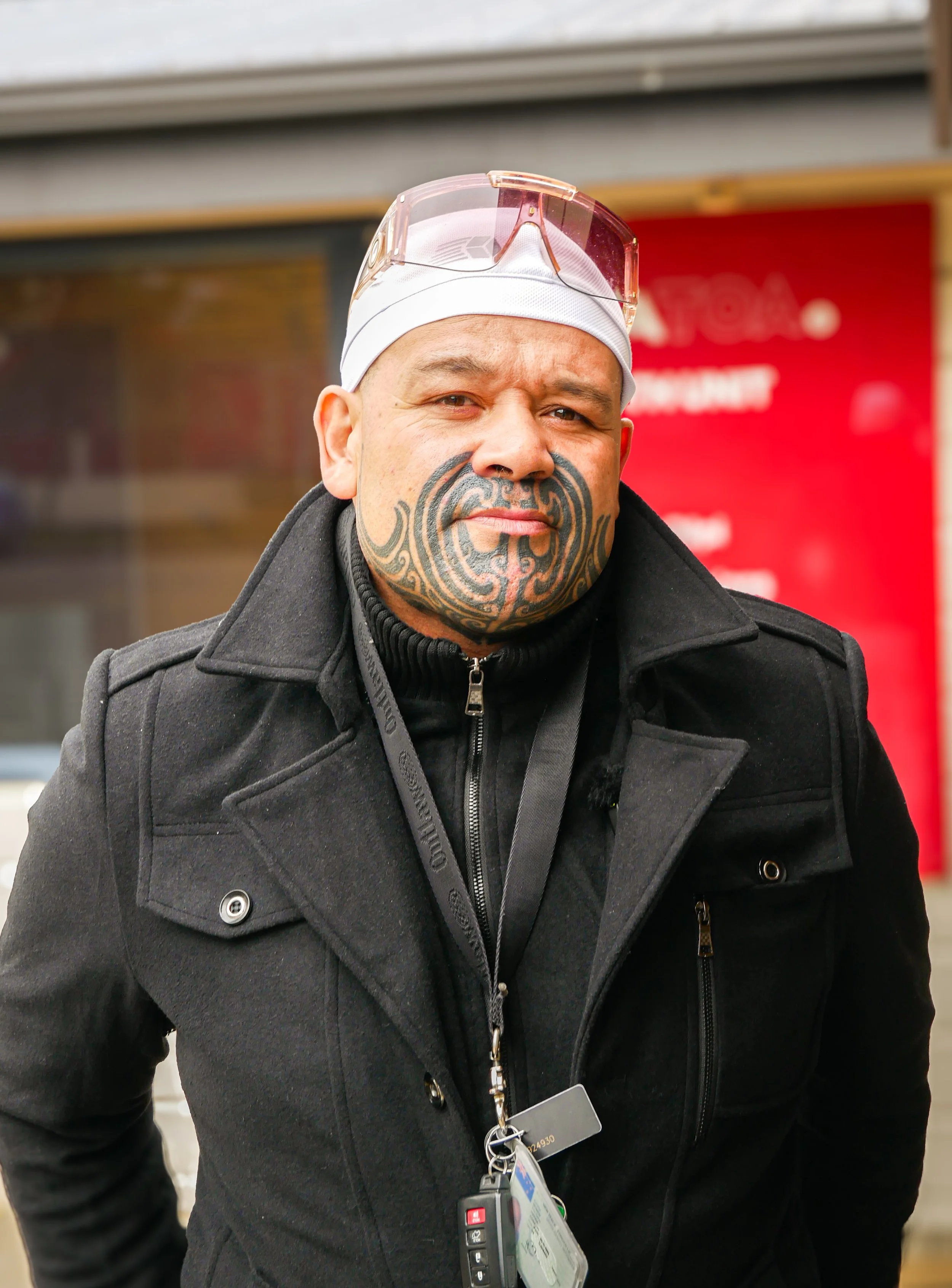
Four weeks in, he had tested himself and took a drag on a cigarette, but regretted it straight away.
“It tasted disgusting. For the first time in 28 years, I felt that horror of putting something so gross into yourself,” he exclaims.
Although the decision had to come from within, Haraia didn’t do it alone. With support from the Te Ara Tīmata programme, nicotine replacement and regular check-ins, he had people alongside him every step of the way.
“They know all about me,” he laughs. “And having someone to talk to – that’s huge.”
That kind of support is critical, especially as inequities remain. Around 15% of Māori adults still smoke, compared with much lower rates for non-Māori.
Today, Haraia is building new routines with time at the gym, moments of stillness, and space to breathe. For him, quitting wasn’t about losing something, but about changing how he lives.
“You’ve got to want it,” he says. “And if you do, you can do it. The support is there, but the choice has to come from within.”
And sometimes, all it takes is the right person, at the right time, asking the right question - and giving you the space to answer it.