For Michael Hogan and Grainger Heikell, supporting whānau affected by methamphetamine harm begins long before crisis. In their frontline roles with Toa Te Rōpū Āwhina (Toa-TRA), the focus is on identity, trust, education and relationships that help people see a path forward.
For Michael “Mike” Hogan and Grainger Heikell, methamphetamine harm is not an issue that can be separated from the rest of a person’s life. The people they work alongside may also be navigating family harm, disconnection, intergenerational trauma, anxiety, social pressure or a weakened sense of identity. Their work is therefore not about judging a single behaviour. It is about understanding the person, strengthening connection and supporting change in a way that can last.
Their frontline perspective shaped what Mike and Grainger took from the recent national meth harm summit in Rotorua, hosted by Tū Taua Mana Enhancing STOP Charitable Trust. The summit brought together lived-experience practitioners, counsellors, social workers, whānau and community leaders. Its emphasis on non-judgement, early intervention and culturally grounded, community-led support closely reflected the approach the two kaimahi bring to their own mahi at Toa-TRA.
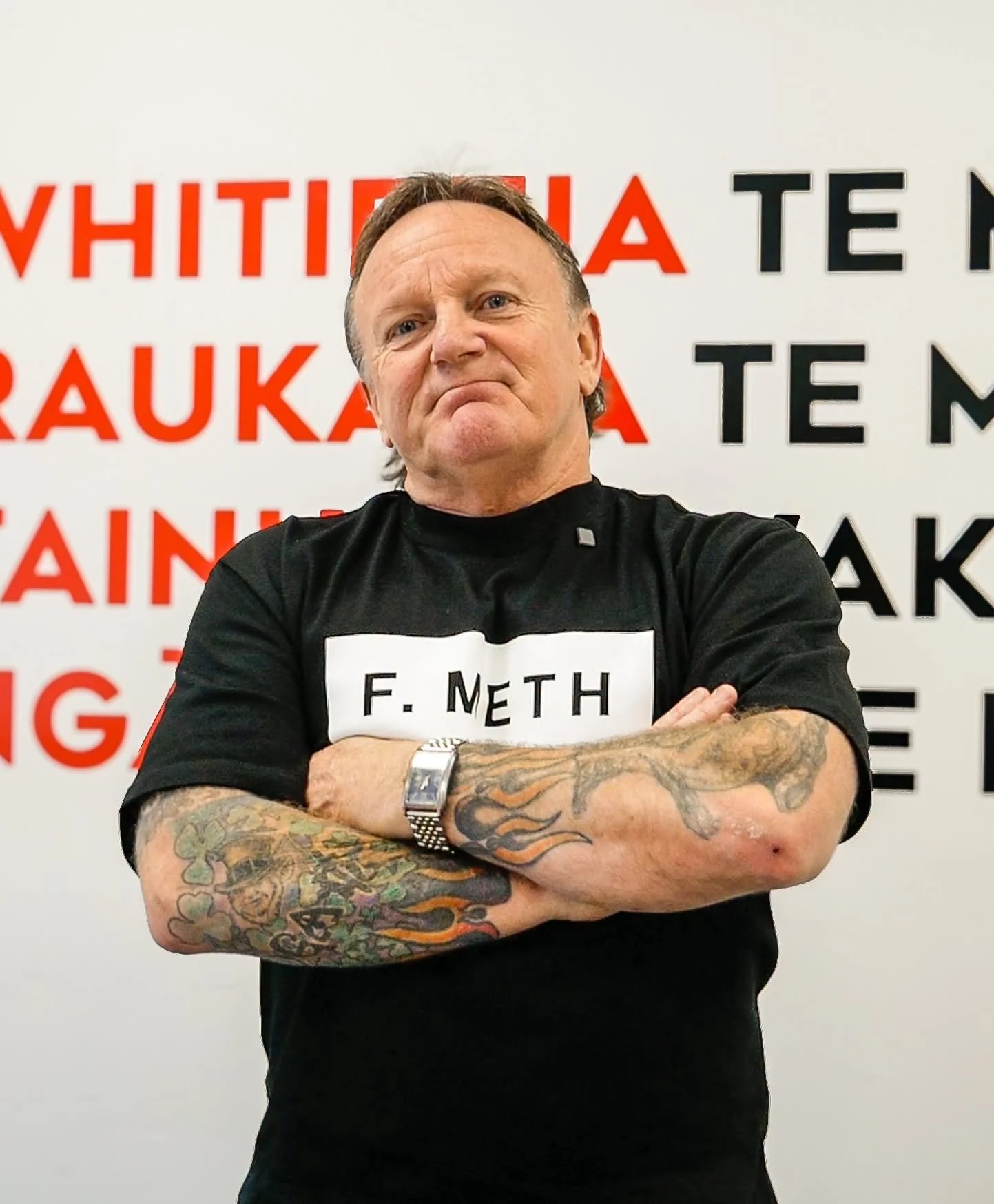
Mike is a specialist harm-reduction counsellor with Toa-TRA. His professional practice is informed by his own recovery journey and by formal study in mental health and addictions. In his day-to-day mahi, he supports whānau experiencing the effects of substance harm, using lived experience as a bridge to understanding.
For Mike, prevention must begin before a young person reaches crisis. He has previously developed a “Stop the Start” report advocating for age-appropriate, strengths-based education that helps rangatahi understand themselves, manage pressure and build confidence.
“In this society we don’t learn until we experience something adverse. I believe education is key – we need to develop a strengths-based informative education curriculum that addresses what it is to be human. This would then look at treating the failings and anxiety problem for our rangatahi,” says Mike.
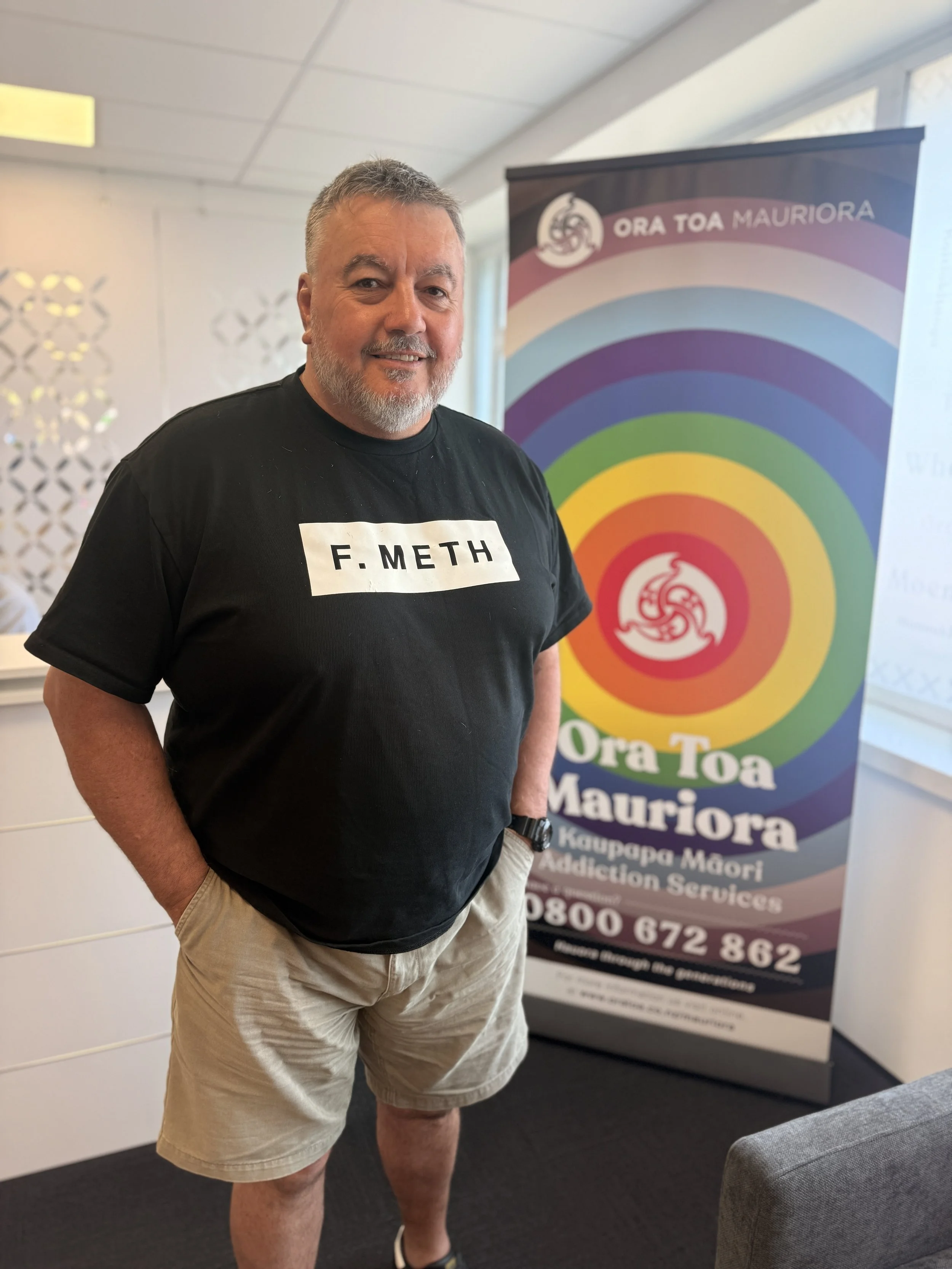
Grainger brings a different but complementary background to Toa-TRA. A trained coach with experience in rugby, he developed skills in engaging players, whānau and communities, building confidence and helping people work towards shared goals. He applies those skills as a Violence Prevention Educator in the family harm team, working particularly with tāne and rangatahi in one-to-one and group settings.
His role is practical and relational, helping people think about change, identify options, take steps forward and stay on track. Progress may take weeks for some and much longer for others, but the starting point remains the same: build trust, understand what the person needs and recognise their capacity for positive change.
“If we start judging people and their circumstances, it’s not the job for you,” says Grainger.
Both kaimahi see vulnerability as something shaped by experience and circumstances, not as a person’s identity. Mike is concerned that methamphetamine use has become normalised in some communities, particularly where rangatahi are disconnected from a strong sense of who they are. From his perspective, harm education and identity-building need to happen together.
“The problem is, it has been normalised in some communities. Some of the vulnerability is to do with lack of identity. And I think the summit really pushed that home for attendees. Growing a society that knows and recognises the harm of meth must happen concurrently with growing an understanding of who they are,” says Mike.
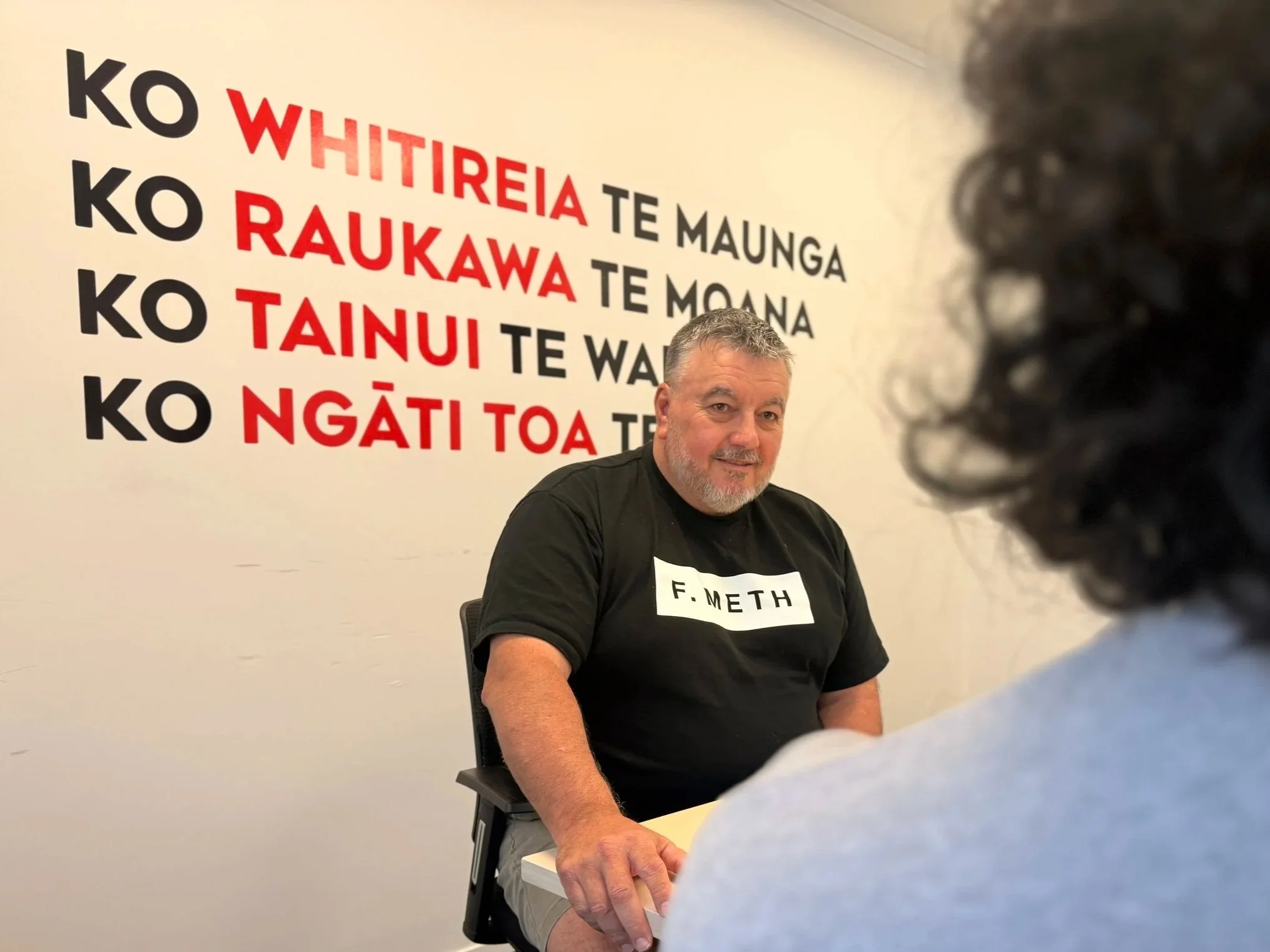
Grainger sees similar patterns among some of the young men he supports. Conflicting messages about masculinity and success can leave rangatahi feeling they must be staunch, hide uncertainty or live up to measures that do not reflect their reality. His response is to create enough trust for other possibilities to be considered.
“Sometimes the young men I see are just lost, or misinformed. They are growing up in a world where they are receiving conflicting messages about what it is to be a ‘man’. They think they have to be staunch and live up to society’s measure of them, and so I just begin by planting these seeds and the belief that they’re capable of doing so much more than what they originally thought,” says Grainger.
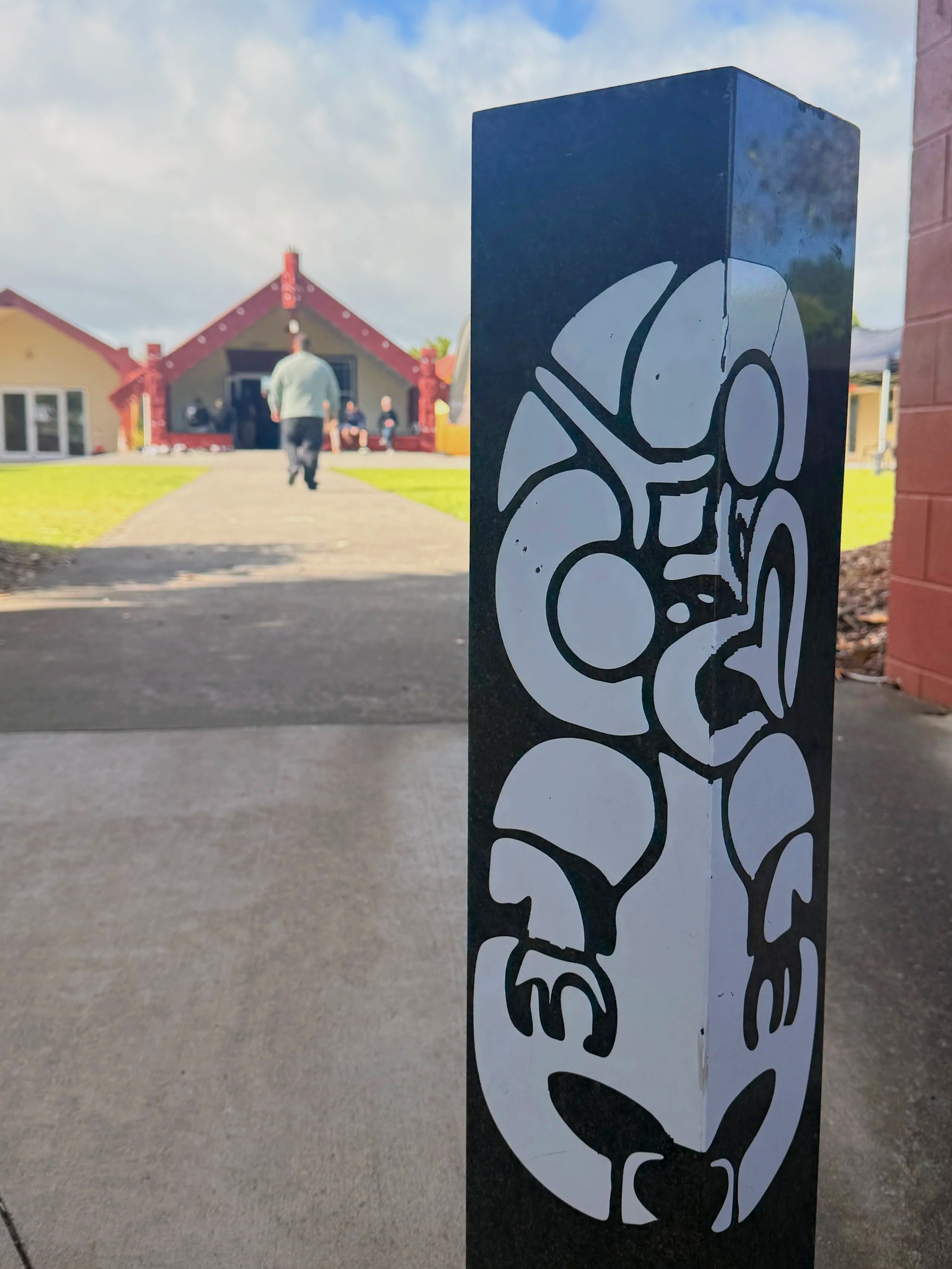
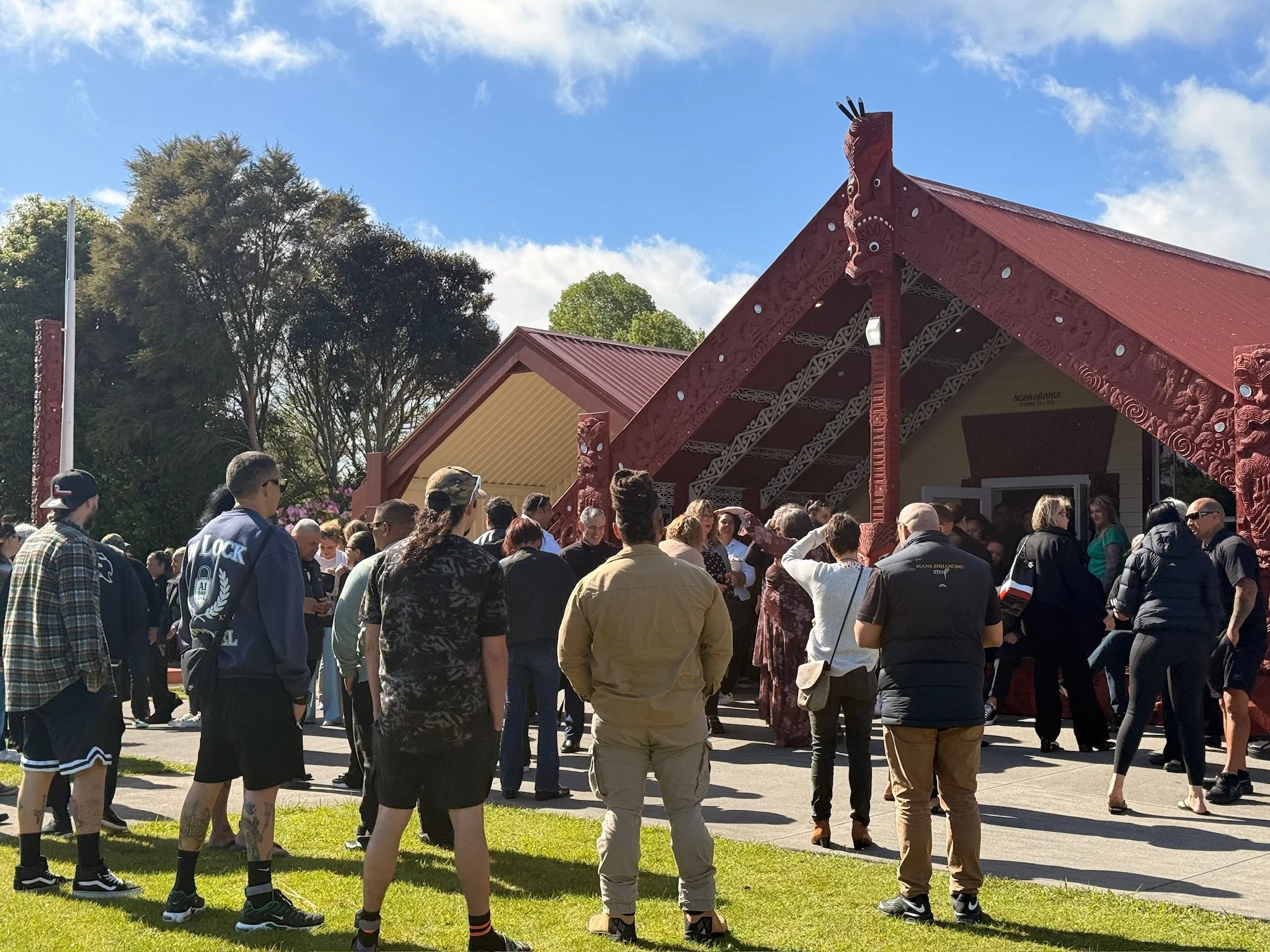
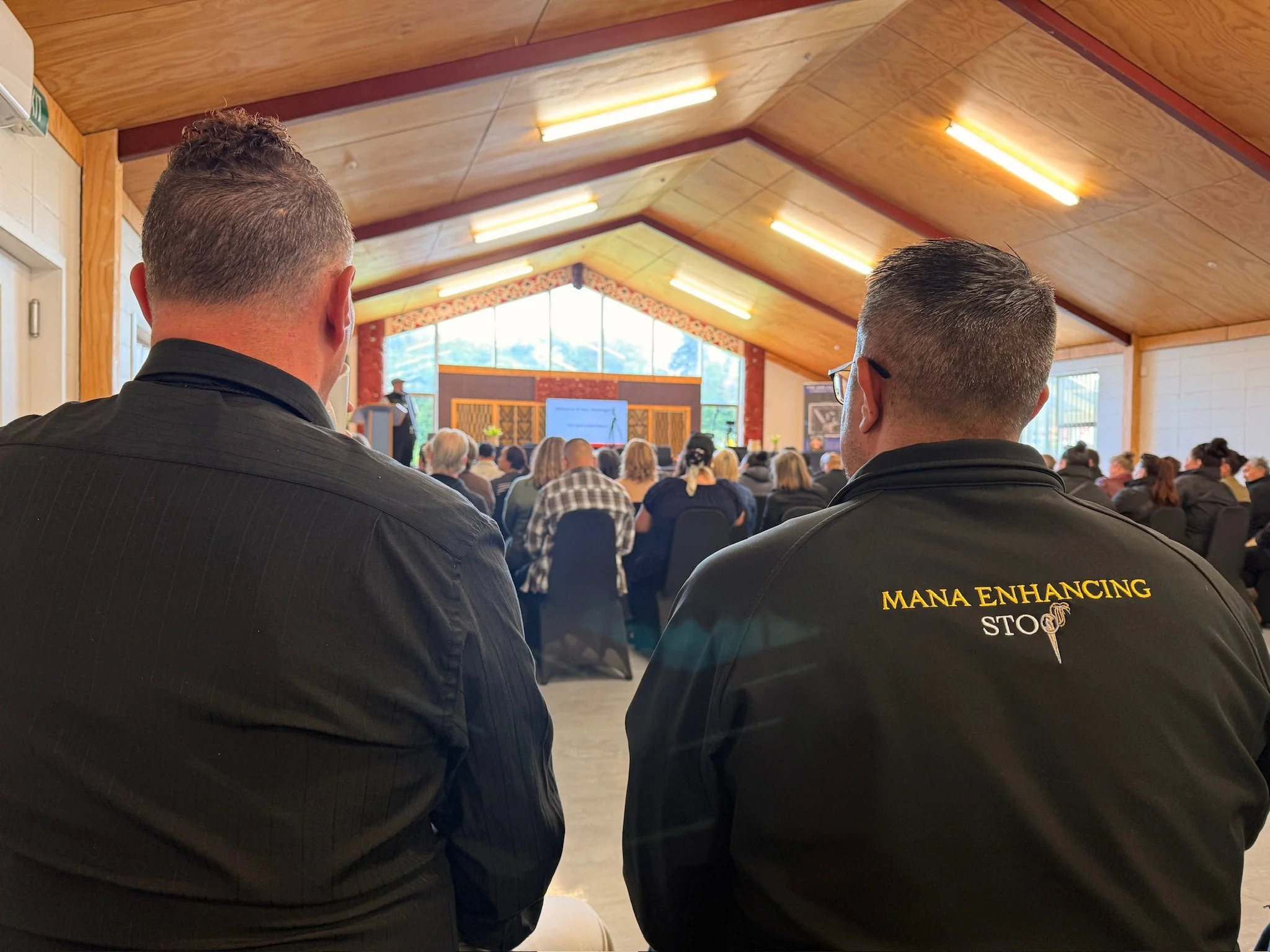
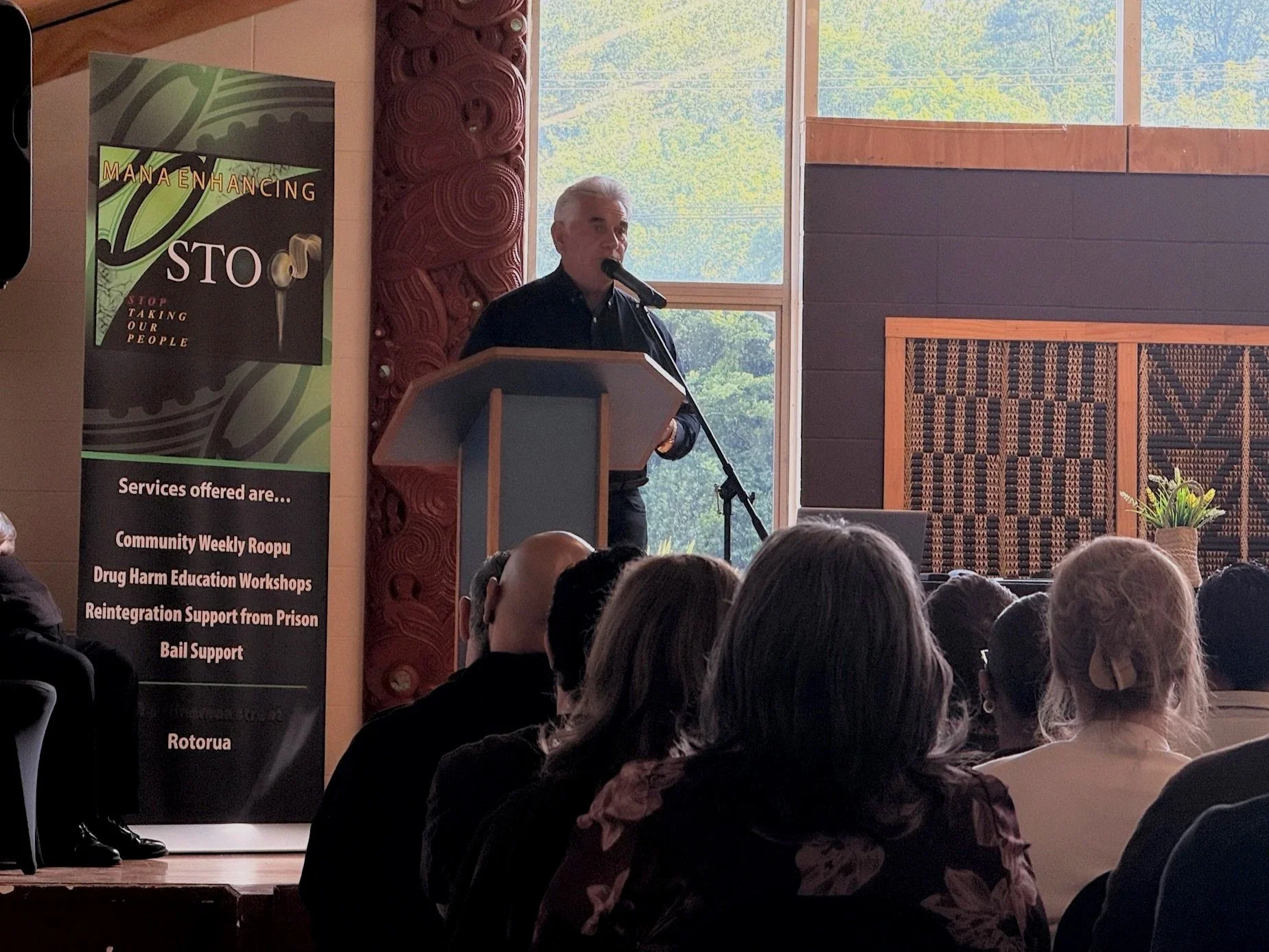
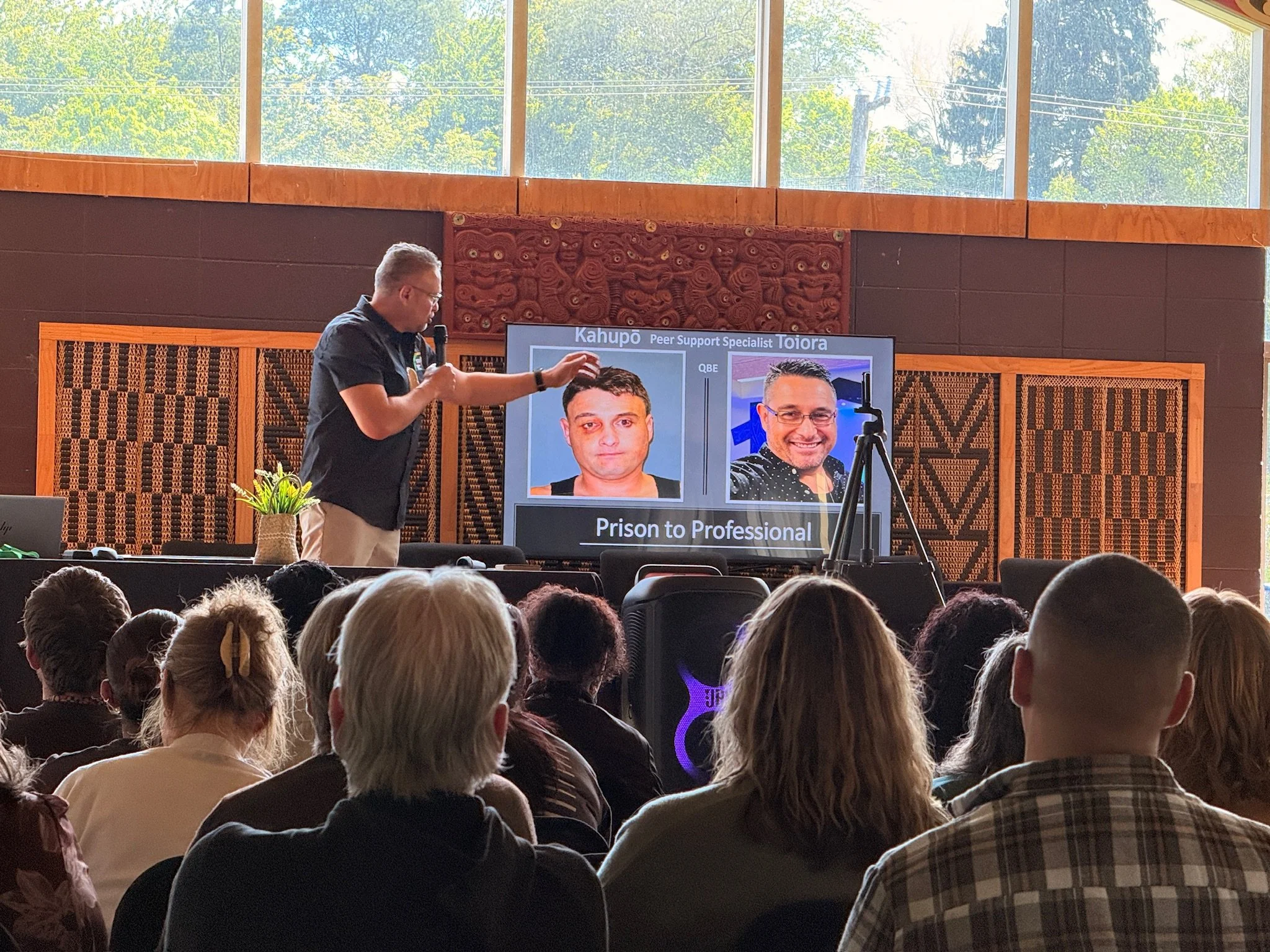
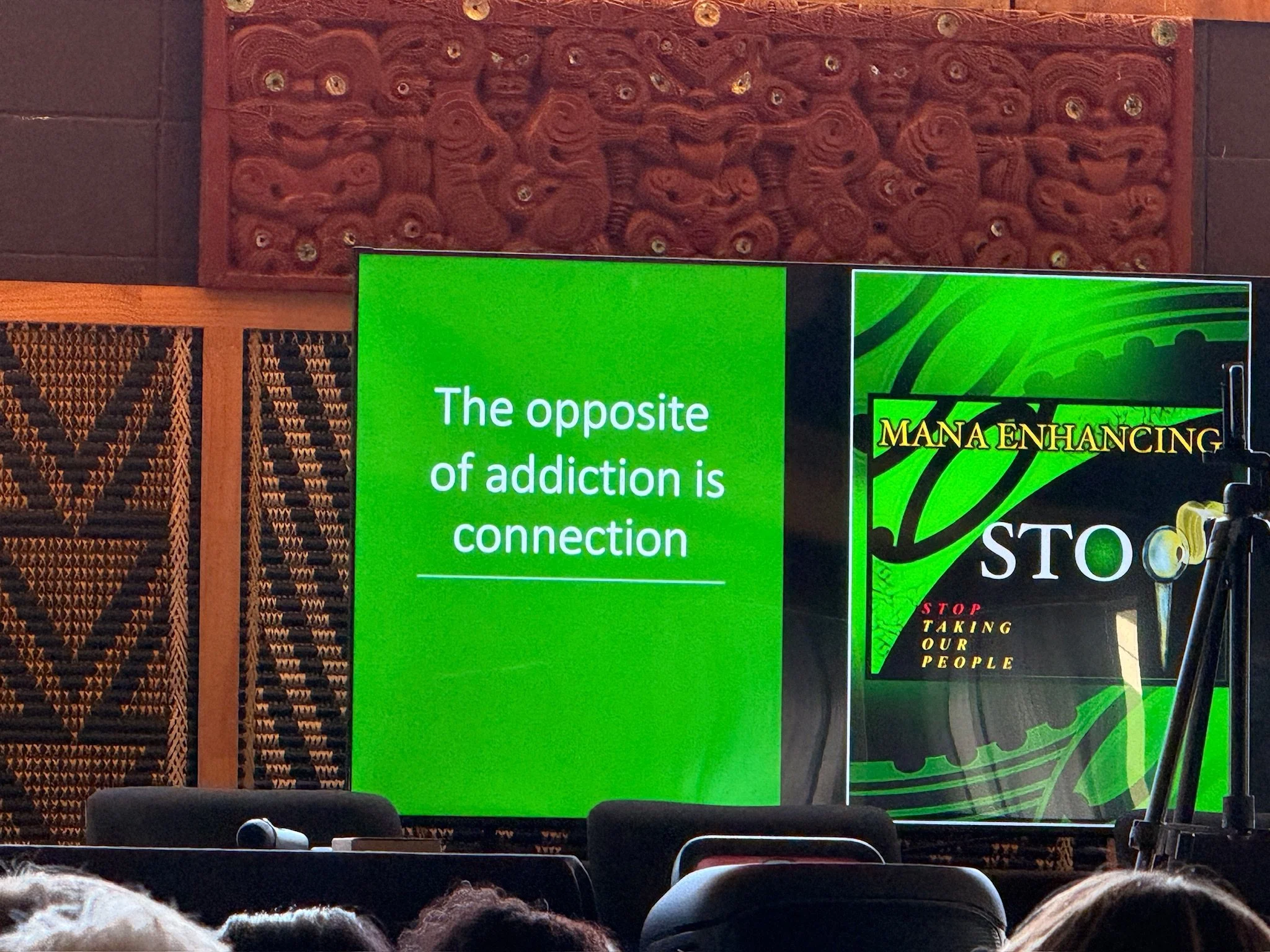
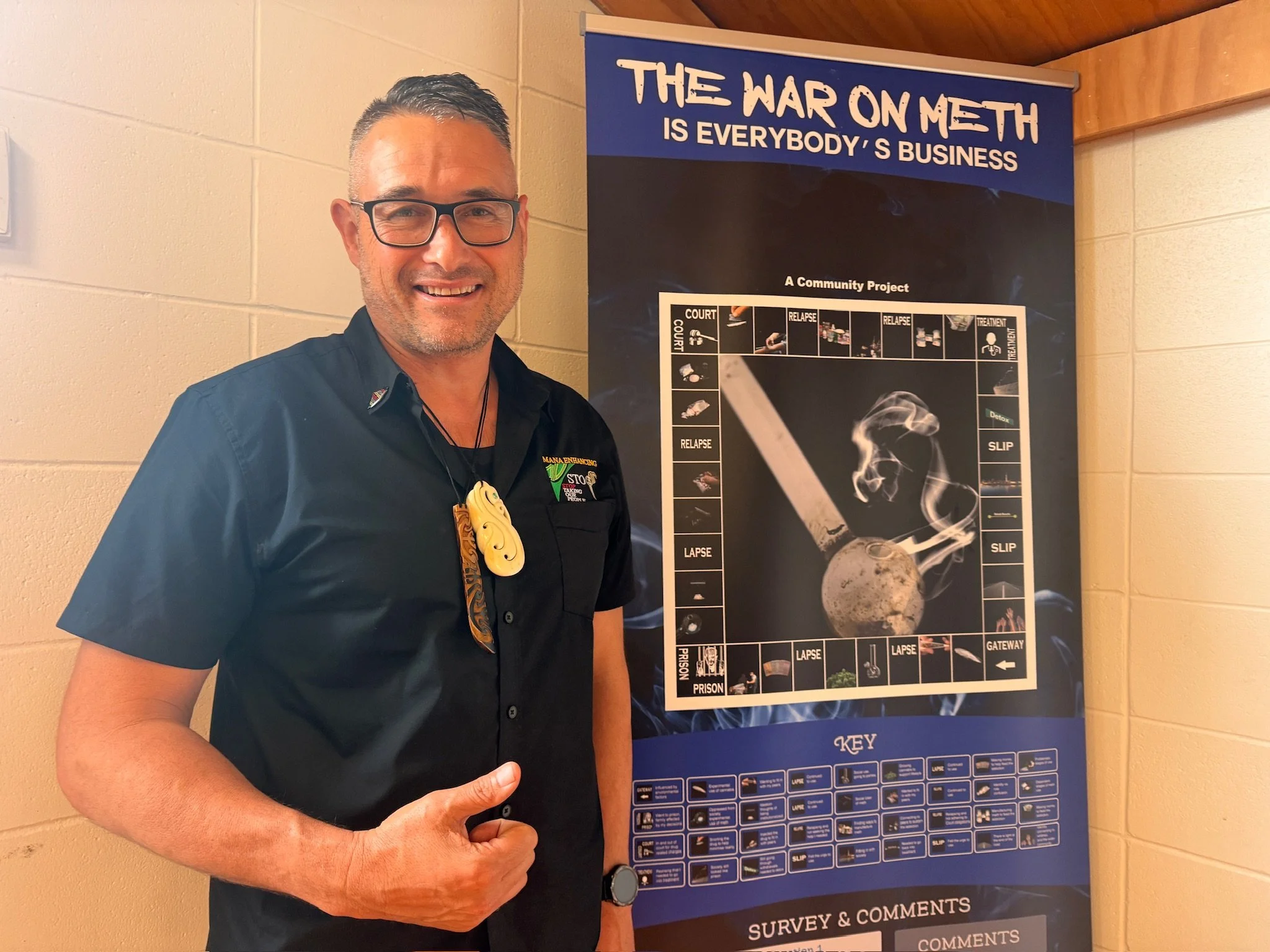
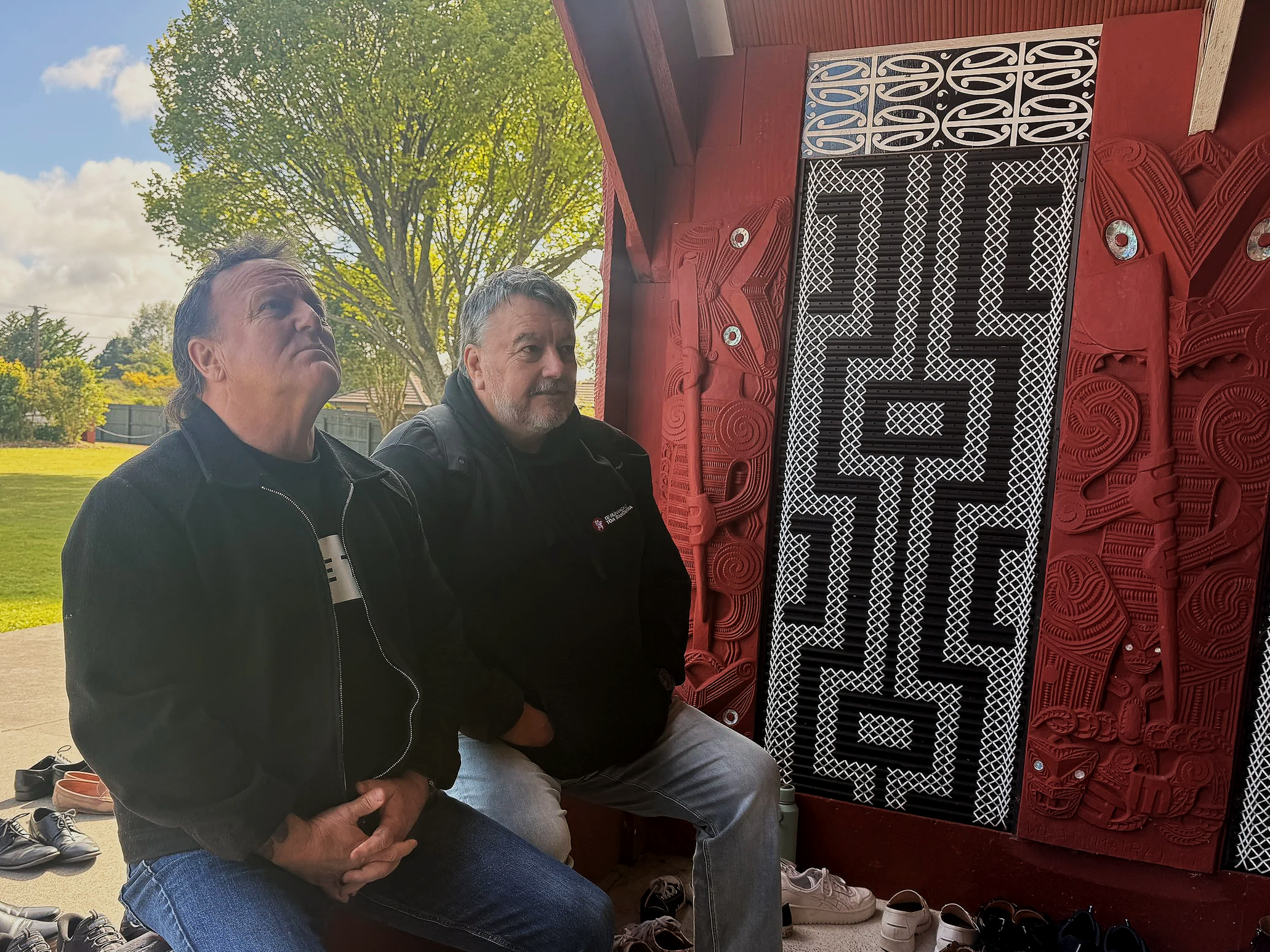
The summit reinforced what Mike and Grainger encounter through Toa-TRA – that people are more likely to engage when support is consistent, non-judgemental and grounded in real relationships. The kōrero reinforced how powerful it can be when practitioners understand the realities of addiction and remain present when a person begins to pull away.
For Grainger, the summit’s value was immediately relevant to his work with tāne and rangatahi. The range of support systems, community knowledge and shared experience offered ideas that can strengthen group programmes and kanohi-ki-te-kanohi support.
“The summit was great – so many whānau there and the expert knowledge that was shared was invaluable, the support systems and the systems that are growing to help whānau through are applicable to my mahi with tāne groups,” says Grainger.
For Mike, the gathering confirmed that Toa-TRA is part of a wider movement focused on prevention and early intervention. The reassurance came from seeing many people committed to the same long-term work.
“Some of it was not new to me, but I did learn a lot and I think it was really reassuring to see the number of people there showing their support and doing the same mahi we are doing, with the same philosophy of creating more impactful change early, stopping the start, with early intervention,” says Mike.
That philosophy captures the Toa-TRA angle to intervene early, stay alongside people and whānau, and make connection part of the response. Sustainable change is not built through judgement or by reducing a person to their most difficult moment. It grows through relationships in which trust and accountability can sit together, identity can be strengthened, and whānau can begin to imagine a different future.